FRIDAY JUNE 13th AT 6 PM / PAN
The films in the program span from 442 BCE, where the battle for the throne of the kingdom of Thebes is taking place, to the current war in Syria, where burning oil wells form the backdrop. In the four films in the program, the spectator is a recurring character. Known in film history, the spectator is the one who sees, helps or perhaps gossips. In addition to witnessing injustice, Antigone’s fate is sealed when someone tells her about her plans. The filmmakers in the program use both fiction and documentary tools.
The almost wordless Who Loves The Sun, compared to the short film Remorse, shows the possibilities of filmmaking. Yet they revolve around the same theme, where the aftermath of war and violence lie latent.
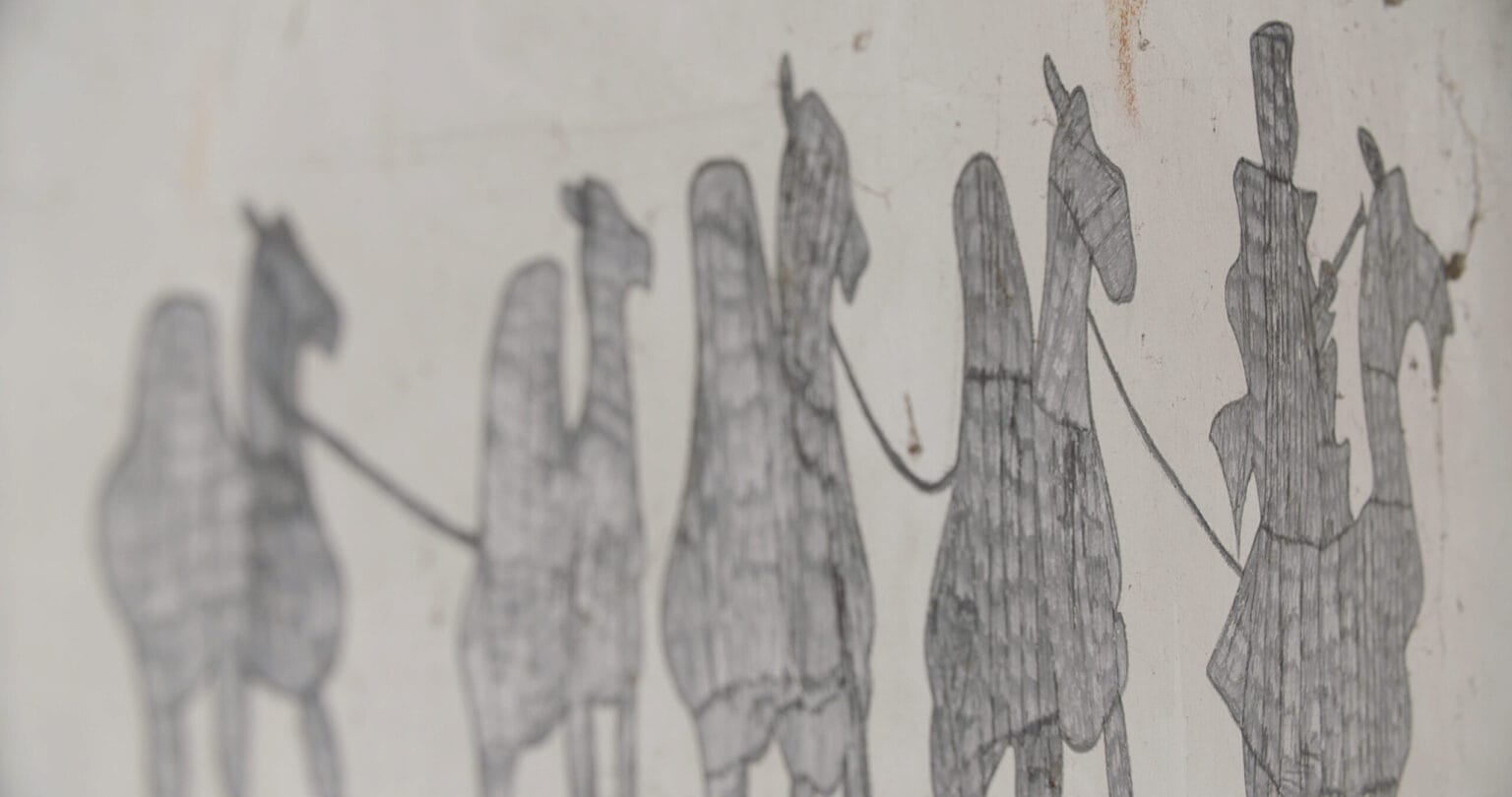
In Before the Fall There Was No Fall, Episode 02: Surfaces, an unnamed voice accompanies us through the outskirts of the town of Srebrenica, where traces in walls and houses are silent witnesses to the genocide that took place. Dasović footage is combined with archival images of the military’s preparatory exercises before troop deployment in the mid-1990s. The Dutch UN soldiers assigned to guard the town and its population became passive spectators when Ratko Mladic and the Bosnian-Serbian troops abducted and killed over 8000 men and boys, and the recordings are powerful testimonies of those who did not intervene when they could.
German Ula Stöckl tells the classic tale of Antigone, the Greek heroine who experiences that her two brothers are treated unequally in death and decides to give one of them a dignified burial.
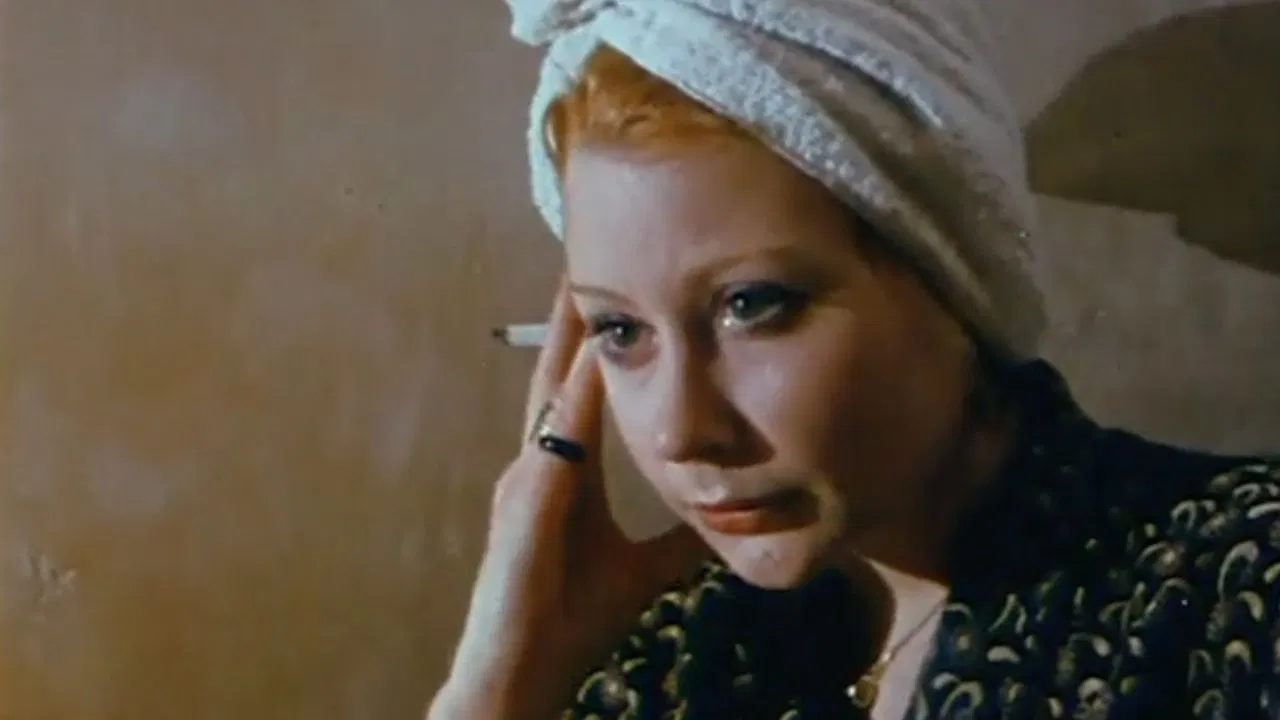
The main character in Remorse, René Vaultier’s film from 1975, cannot be said to be equally dignified, where he plays a man who has been a spectator to a racist attack by the police. The dialogue about how one reacts to injustice when one sees it and whether the role of spectator obliges is a theme in the film that I became addicted to the first time I saw it.
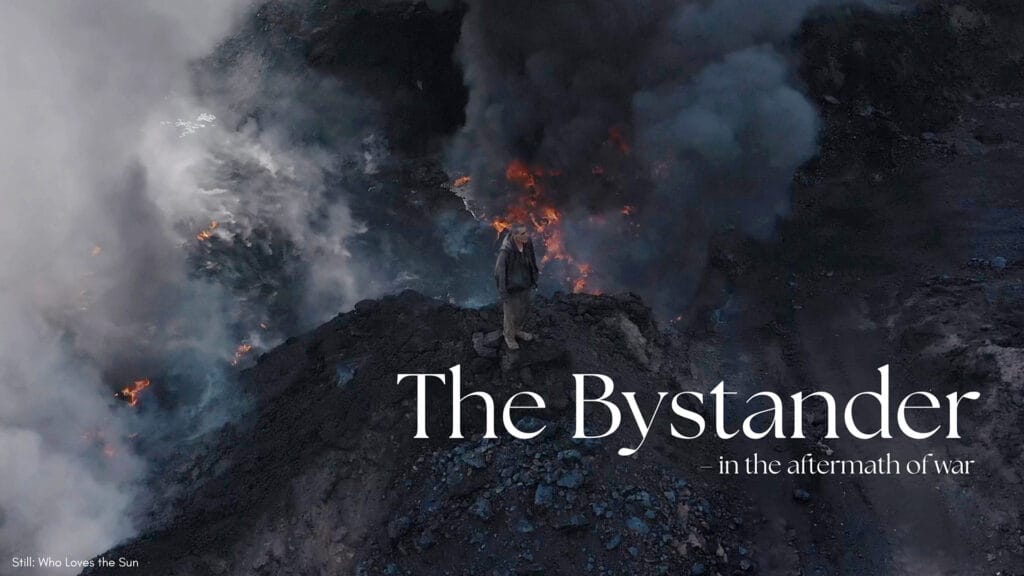
In the last film Who Loves the Sun by Arshia Shakiba we meet a lonely man, in an almost apocalyptic landscape with burning oil wells in Syria. A result of brutal warfare. The film with its long shots, allows us to reflect on the consequences of war for people and nature and our own role. As active or passive spectators.
– Birgitte Sigmundstad
Your personal information will only be used to send out newsletters. You can unsubscribe at any time by clicking on a link in the email.